Meet the eDNA man – Cameron!
A few months ago, Cameron, from University College London (UCL) and the Institute of Zoology (IoZ) arrived on Fregate for his PhD research, investigating how environmental DNA (eDNA) differs across ten Seychelles islands—five invaded by rats and five that are rat-free (like us 🎉).
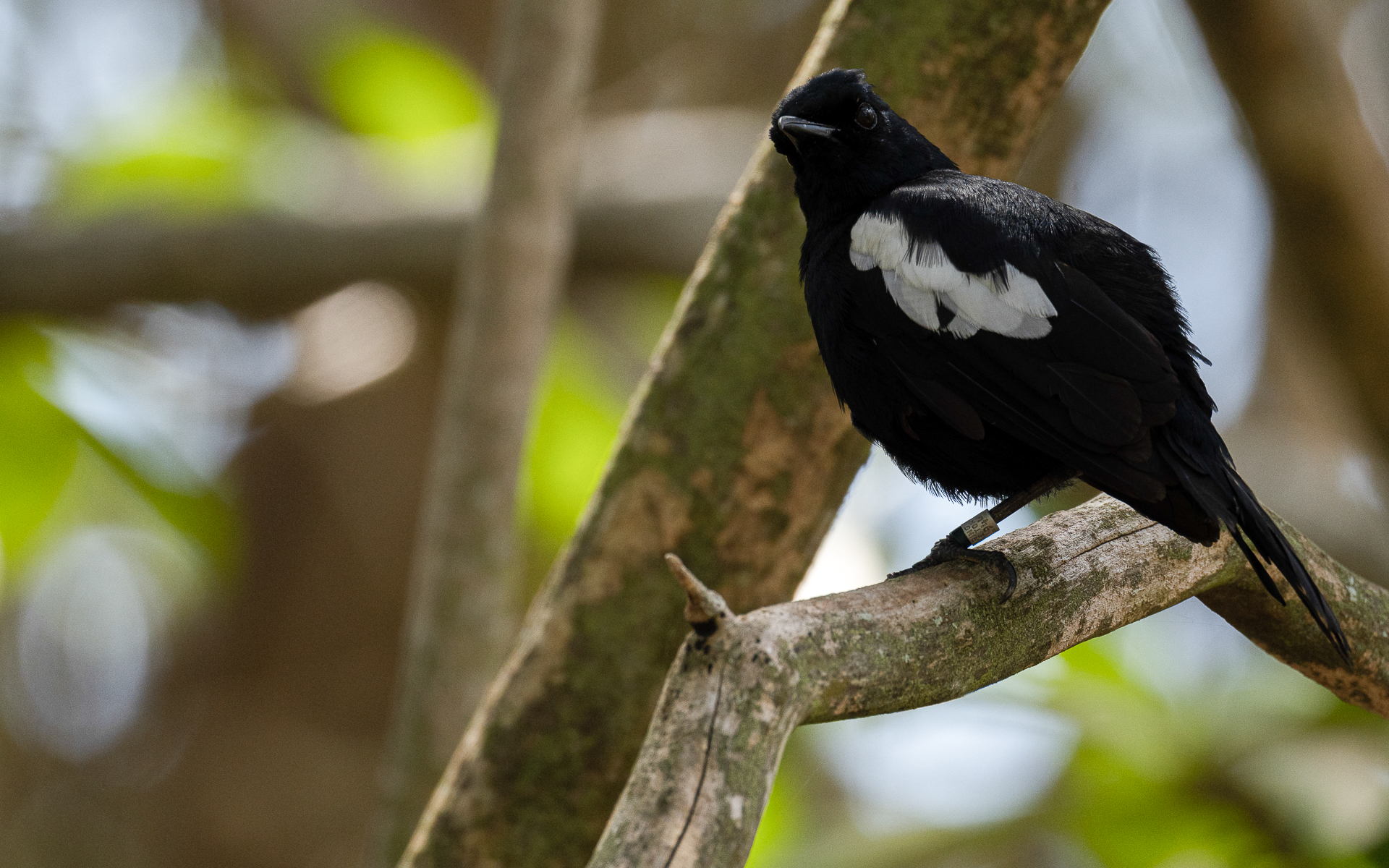
But why all this rat talk when we’re staring at ocean photos? Because on small, isolated islands, rats cause colossal damage: they eat bird eggs and chicks, wipe out seabird colonies, and ripple disruption through entire ecosystems—including those in the sea. With fewer seabirds comes less guano (nutrient-rich droppings), and without that natural fertiliser, coral reefs lose a vital boost that helps them thrive.
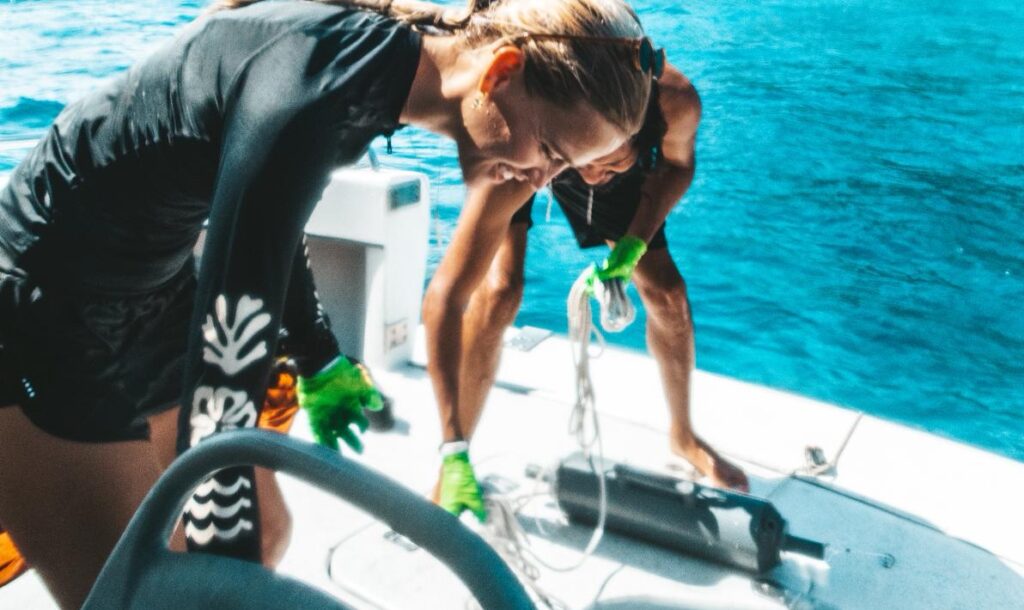
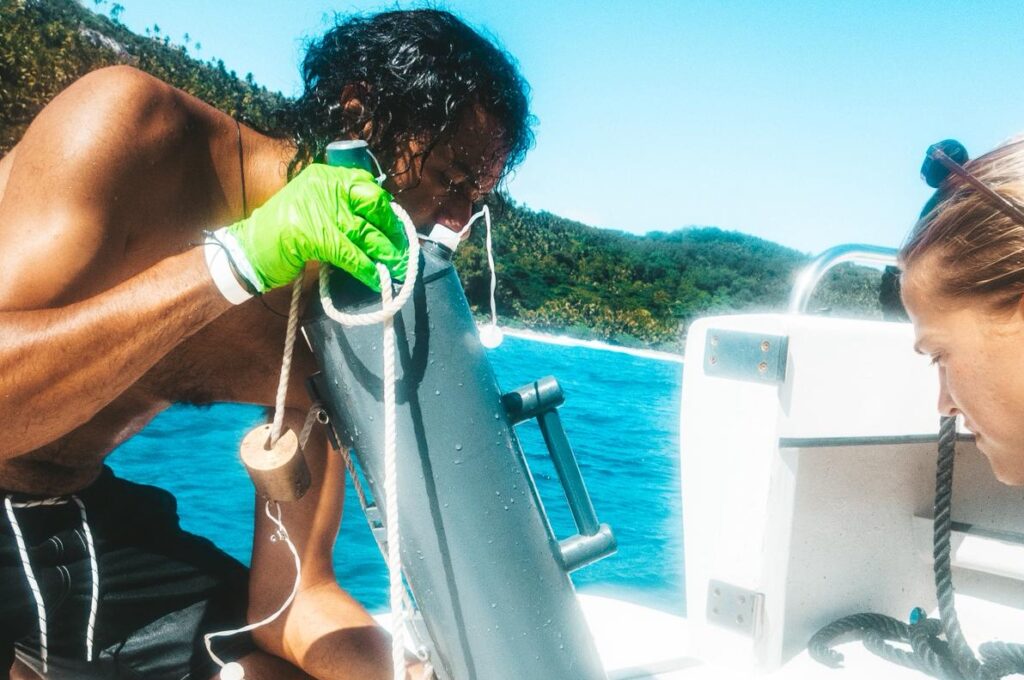
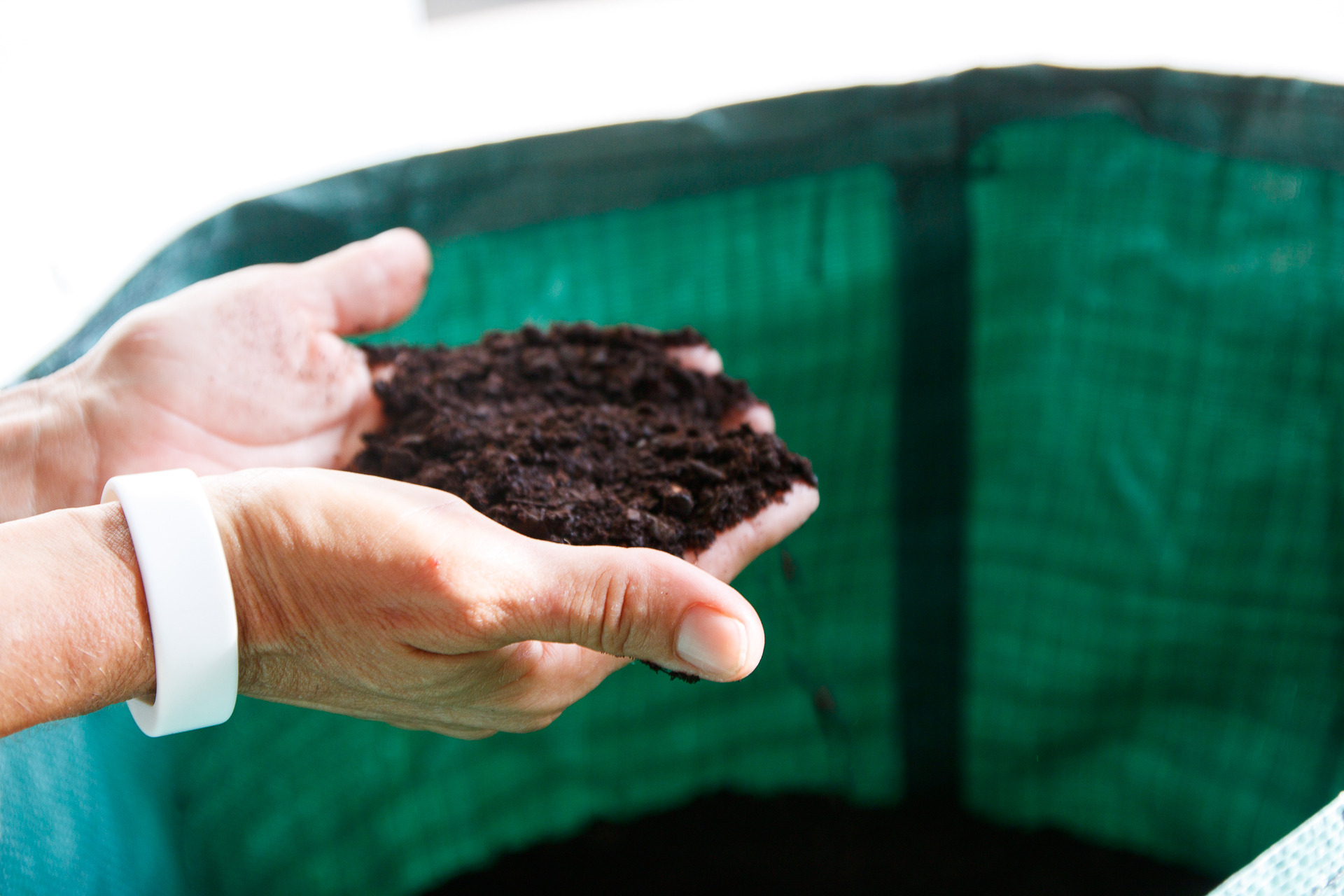
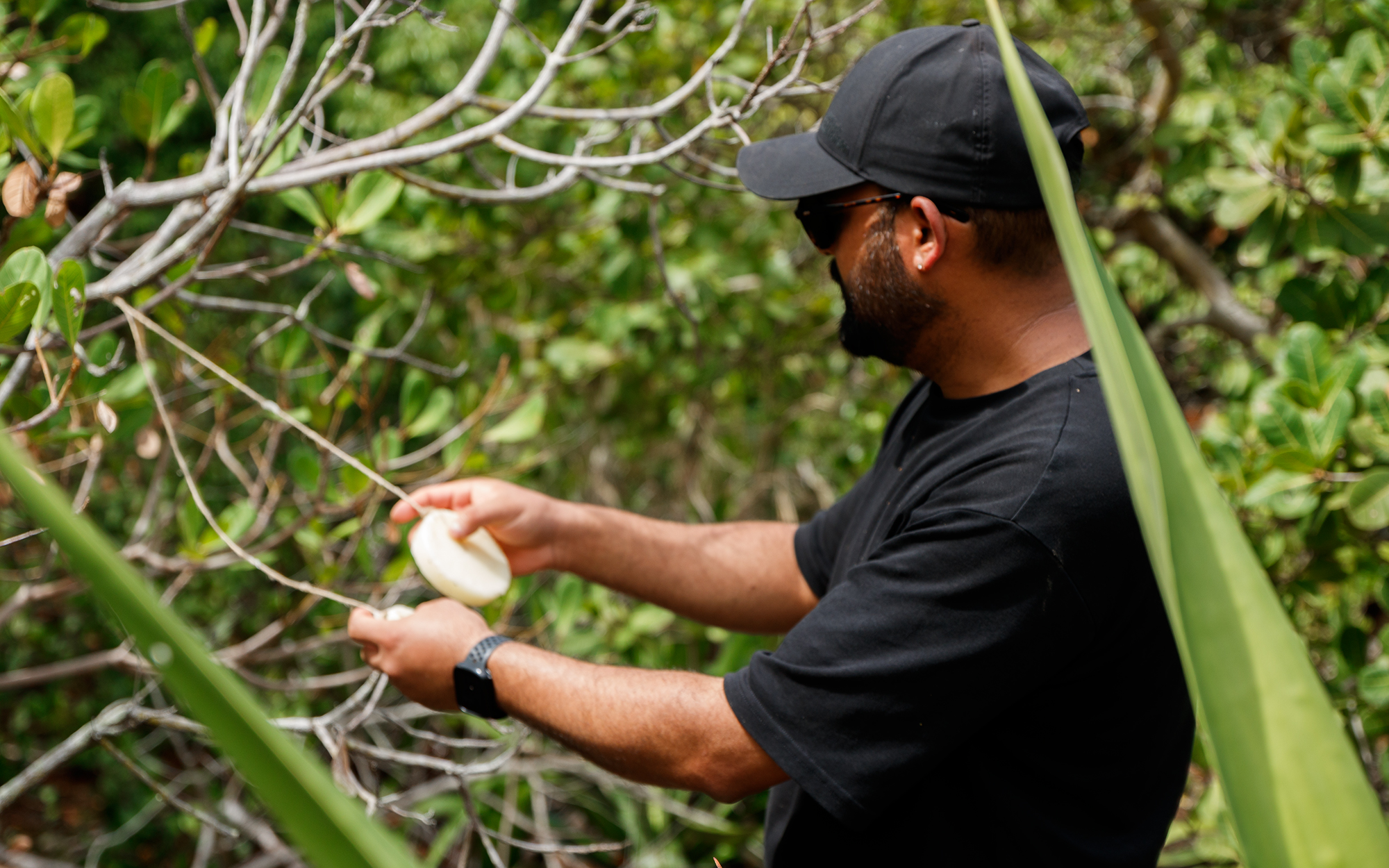
Here’s where eDNA steps in. Every creature leaves behind tiny genetic traces—from skin cells and scales to mucus, and waste. By analysing water samples, Cameron can uncover which species have been present without ever spotting them directly.
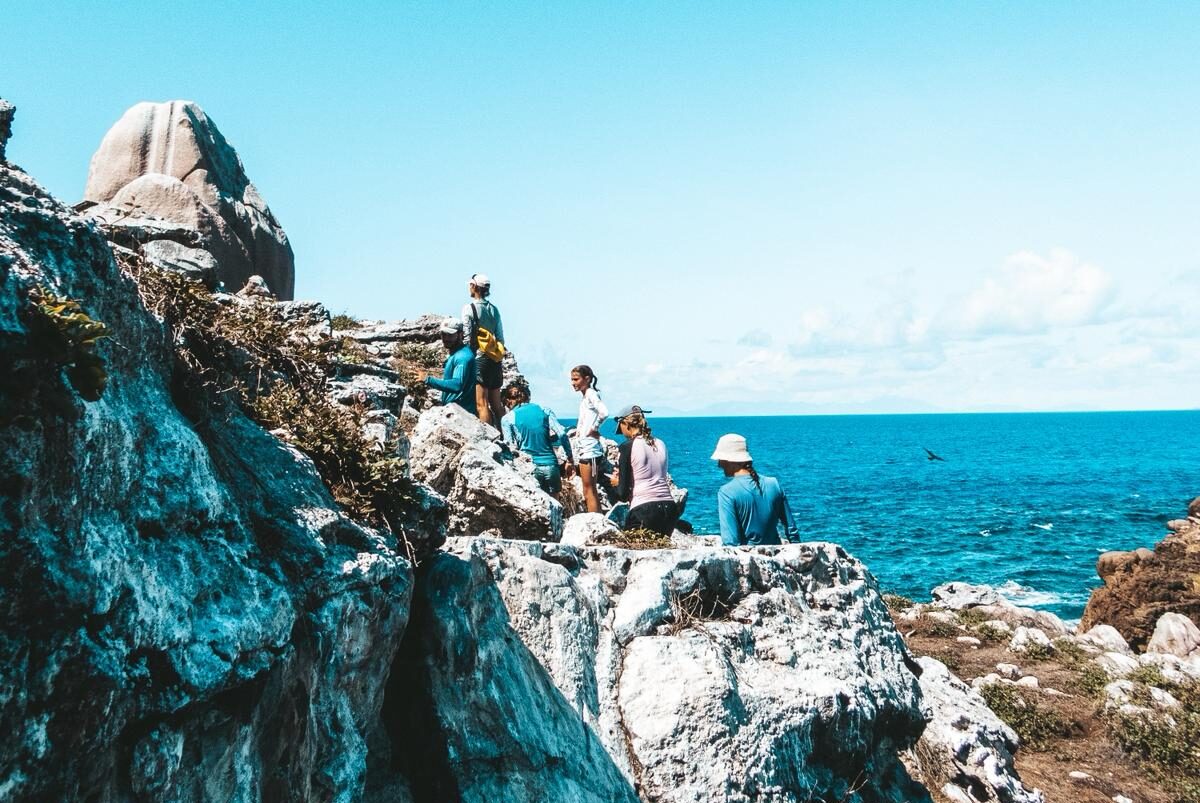
We teamed up with him to collect samples from Fregate’s waters and ran marine surveys alongside his research. The goal? To test whether rat-free islands nurture richer marine life than rat-infested ones—adding numerical evidence that removing rats can restore island ecosystems from land to sea.