Little Fregate: First Seabird Census
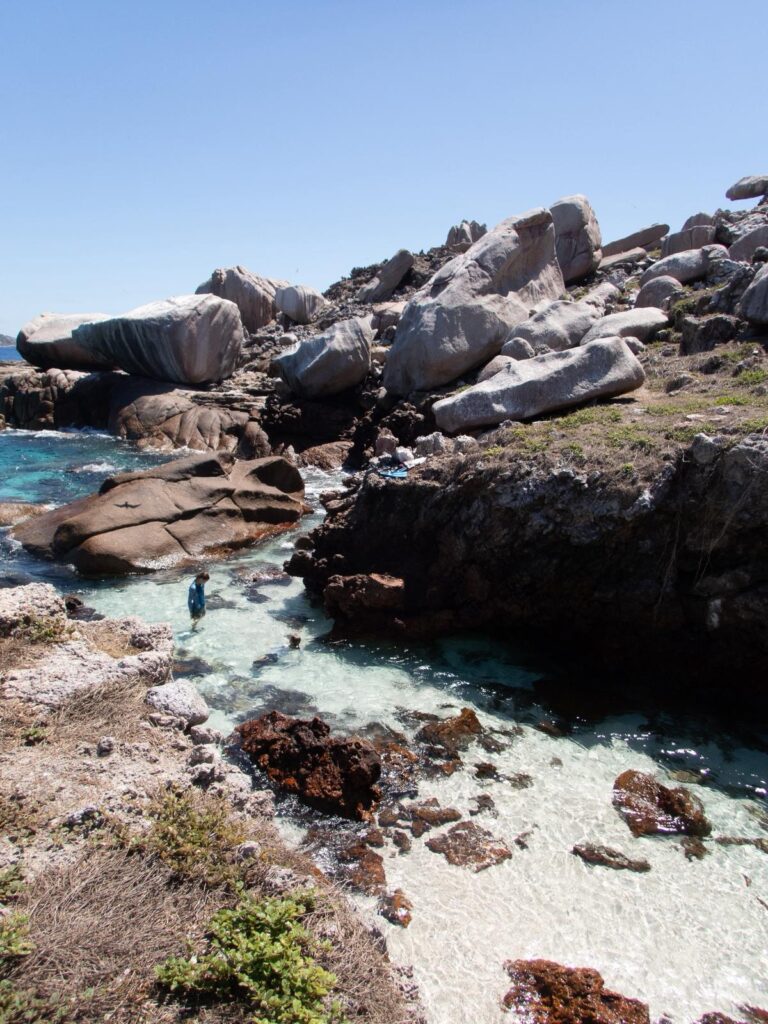
Little Fregate is a small, uninhabited islet located just southeast of Fregate Island. Many of our guests may recognise it as one of the popular dive sites in the area, often visited for its impressive marine life. Until recently, however, Little Fregate had never been explored on land.
Due to its exposed position, access to the island is only possible during very calm sea conditions. As a result, Little Fregate has remained largely untouched, with very little known about the wildlife living there above the waterline.
In December, our Conservation team had the rare opportunity to carry out the first ever formal seabird census on Little Fregate. This marked the first time the island had been surveyed on land, opening a new window into a place that has long been seen only from the sea.
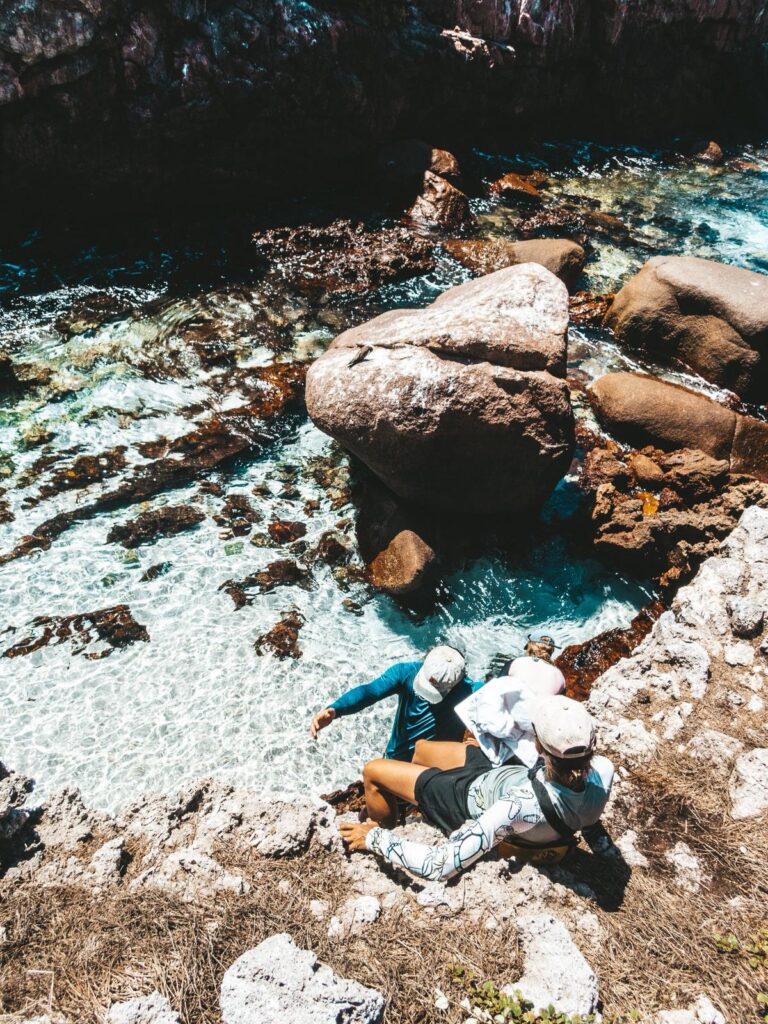
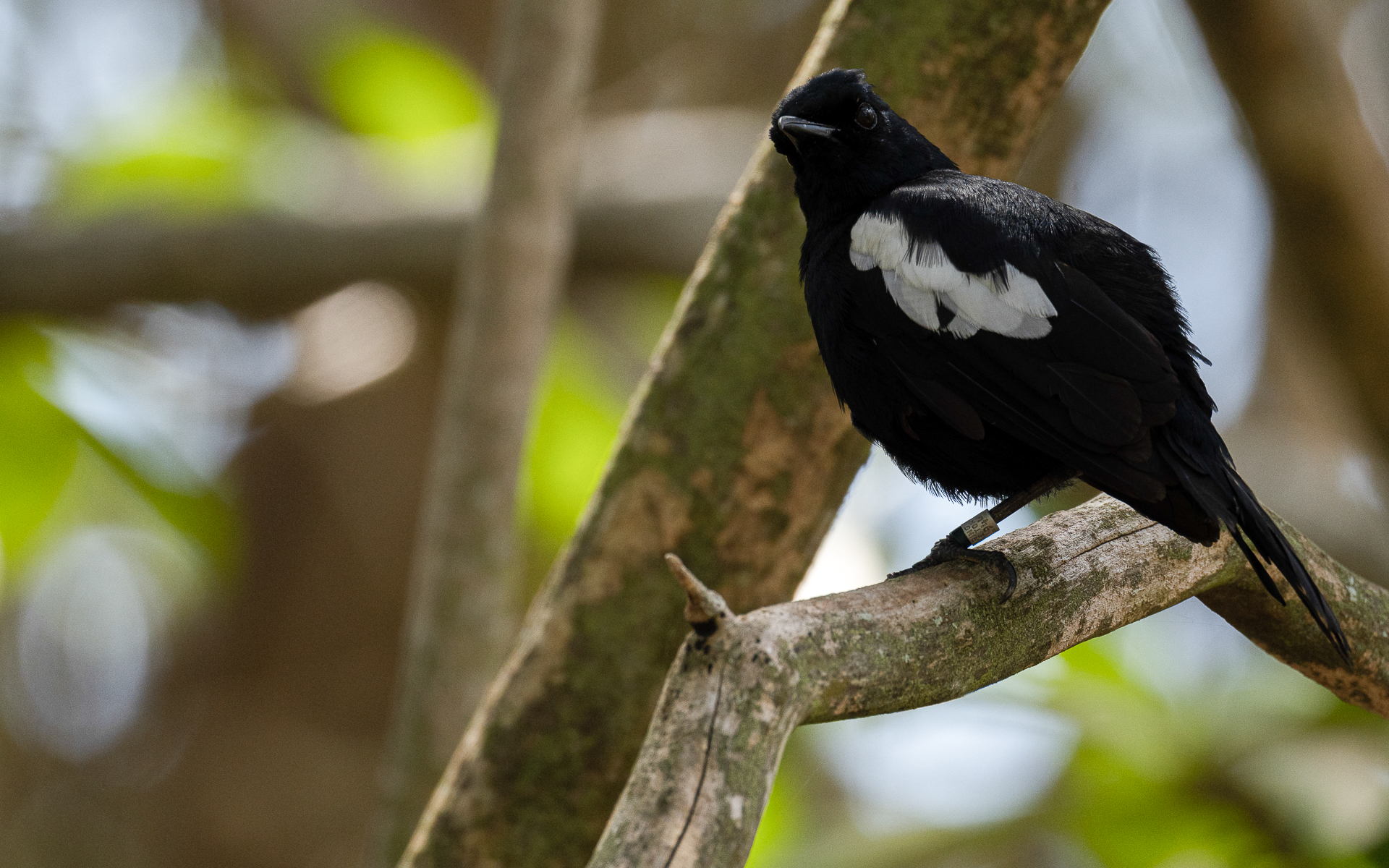
Once on land, our Conservation team found that Little Fregate provides important nesting habitat for seabirds. The island is covered in coastal rock and grasses, creating suitable conditions for both surface-nesting and burrow-nesting species. During the visit, several seabird species were confirmed nesting on the island, with chicks observed, showing that Little Fregate is actively used as a breeding site.
The species observed during the survey included Sooty Tern (Onychoprion fuscatus), Bridled Tern (Onychoprion anaethetus), Brown Noddy (Anous stolidus), Wedge-Tailed Shearwater (Ardenna pacifica), and Audubon’s Shearwater (Puffinus lherminieri), confirming the island’s importance as a diverse and active seabird nesting site.
These findings confirmed what had long been suspected but never documented: Little Fregate plays an important role in the wider seabird network around Fregate Island.




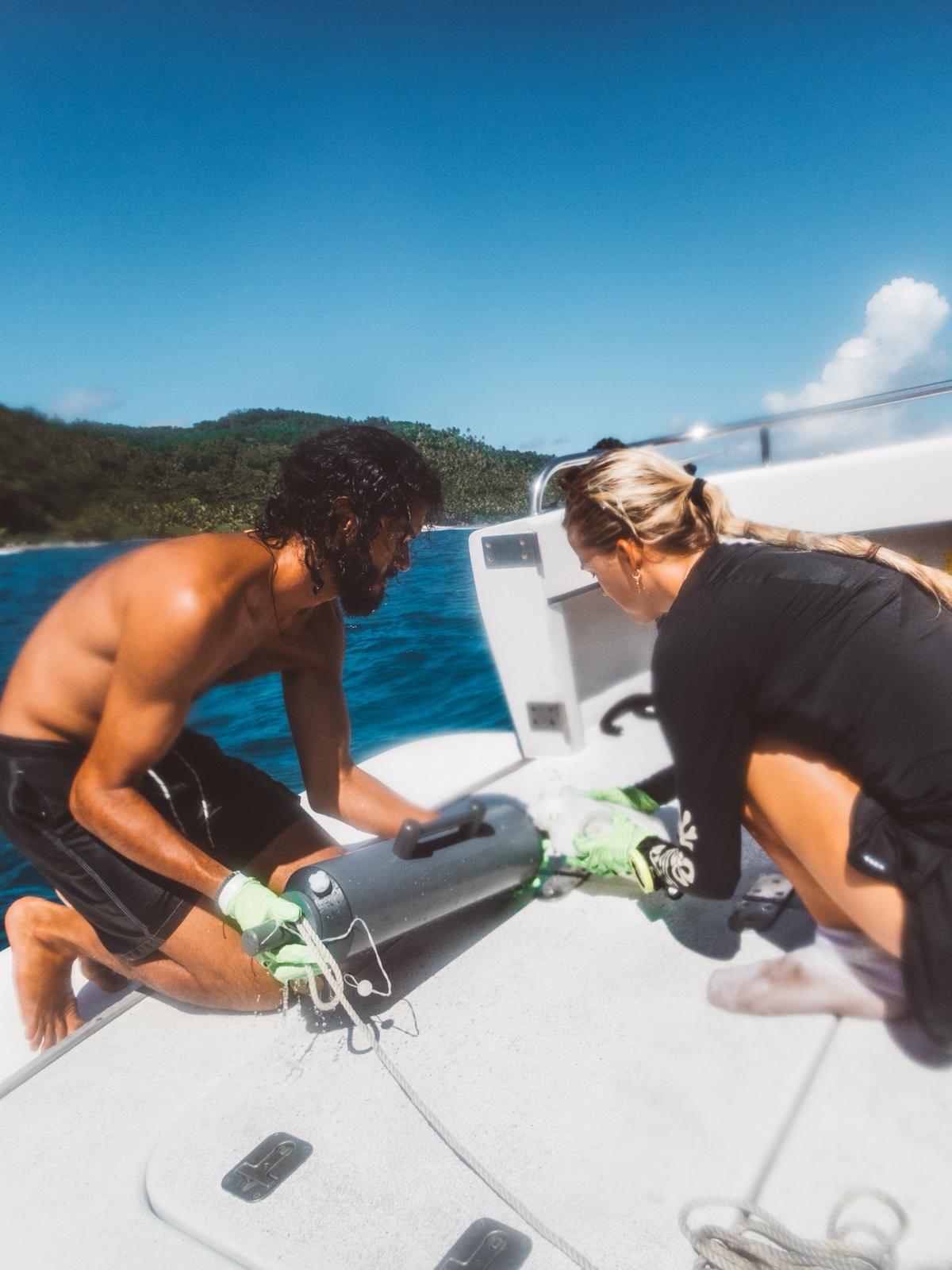
Our Conservation team reached the island by boat, landing from the southern side under calm conditions. To ensure the survey was systematic and repeatable, the island was walked using straight-line transects that allowed the team to cover the entire islet while keeping disturbance to a minimum.
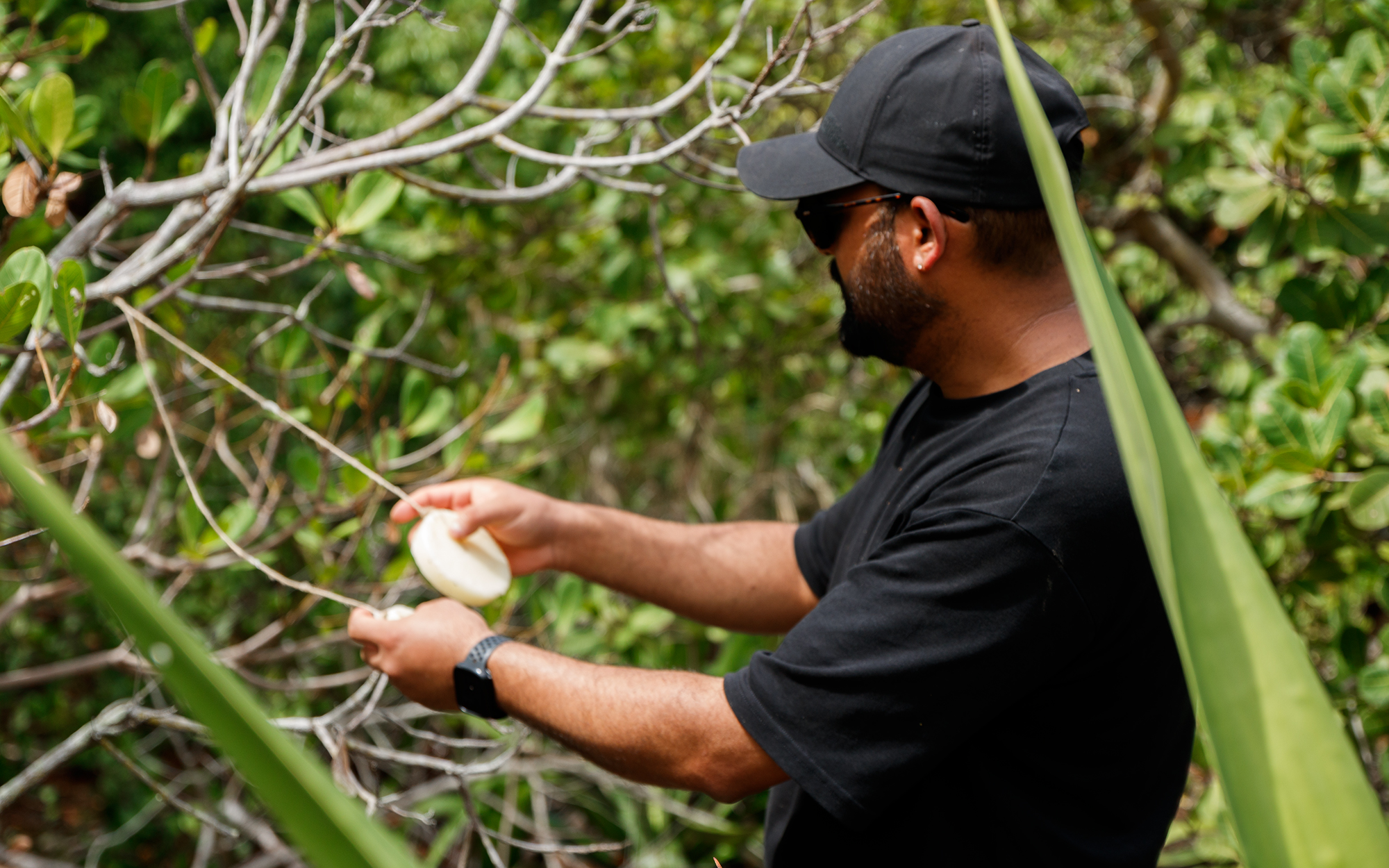
Along these transects, our team recorded adult birds, eggs, chicks and nesting burrows. Species were identified visually using a dedicated field guide based on appearance, egg characteristics, and nesting behaviour.
This expedition marks the beginning of a new biannual monitoring programme on Little Fregate. Our Conservation team plans to return during the seasonal windows between the monsoons, using the same approach to build a long-term picture of seabird activity on the island.
By establishing this first baseline, we can now begin to track changes over time and better understand how Little Fregate supports seabirds within the Fregate ecosystem.
Despite its small size of around 23,000 m², less than half the size of a football pitch, Little Fregate has proven to be an important and surprisingly rich site for seabirds. Exploring the island on land for the first time has added a new dimension to our understanding of this familiar dive site and reinforced the value of protecting places that remain largely untouched.
Our Conservation team looks forward to continuing this work and uncovering more of Little Fregate’s hidden stories in the years to come.
Photo by Zoe Stimpson